
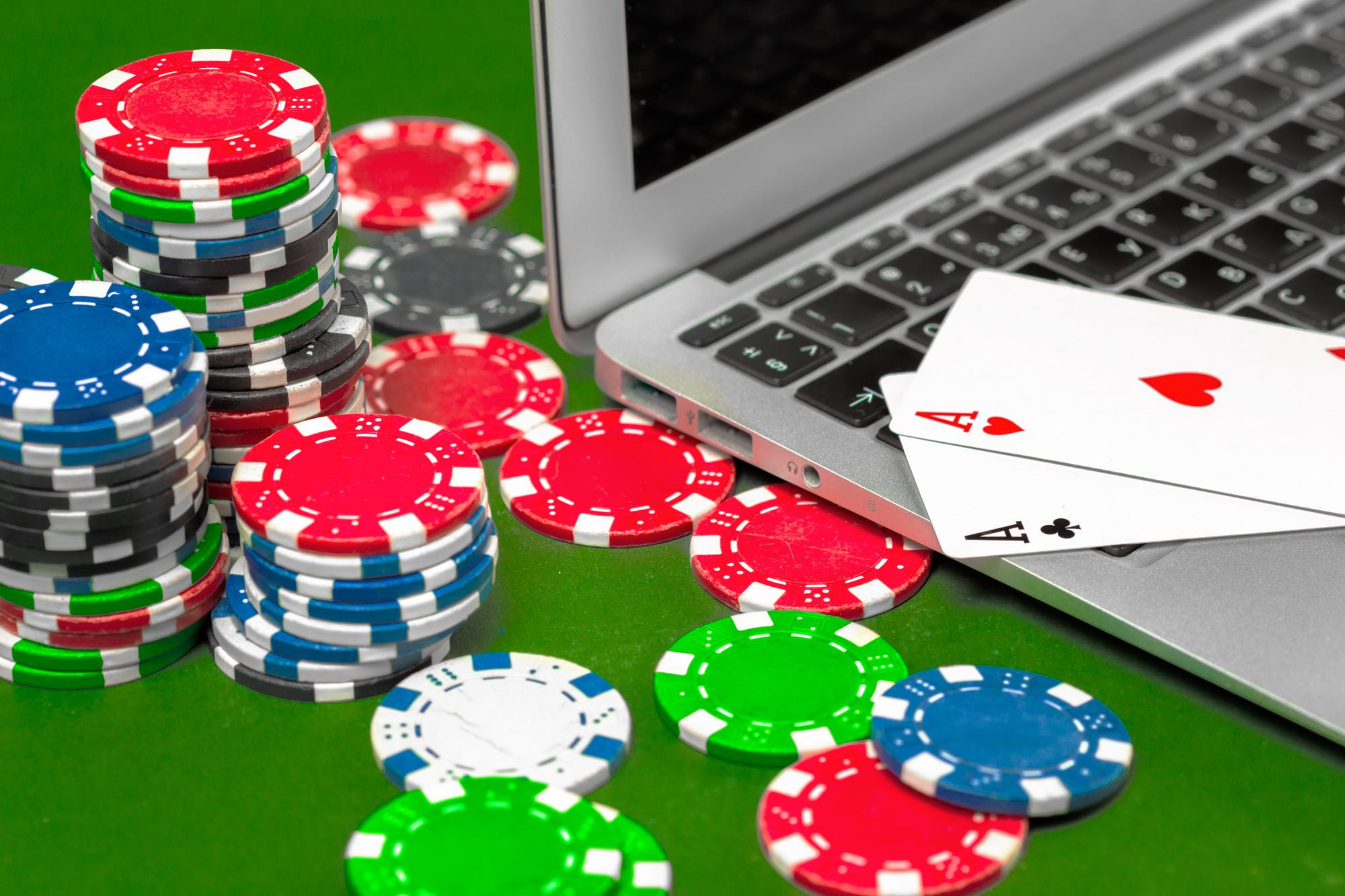
Aussies have always had a bit of a taste for taking a risk, putting their money on the line at the local RSL or on the big casino floors in Melbourne and Sydney. That comfort with taking a punt doesn’t mean we should just throw caution to the wind and leave our cash exposed – after all, a lot of the stuff that makes us Aussie gamblers has to do with our comfortable relationship with risk, but that doesn’t mean we should be careless with the actual cash.
Moving the action online is where things get a bit more complicated. When you’re sitting at a table in the flesh you can see the chips, you can see the dealer, and you know exactly where your cash is that’s sitting there in front of you. Online – well, you’re basically putting your trust in some server somewhere with your hard-earned dollars.
Building that trust is a tough ask, and it’s pretty easy to lose. For years, what was stopping people from having a go at online gaming, wasn’t the game mechanics, it was the banking side of things. People were right to be a bit spooked about punching their credit card number into some web form on a site they’d found in the wee hours of the morning. That changed when payment wallets came on the scene. They were there to sort out the “who are you really” problem. PayPal’s the big name in this space & its a name you’d be familiar with. And it’s no accident – that name got built up because it’s a master at dealing with all that messy stuff that goes on in online transactions – so you don’t have to lose a wink of sleep over anyone getting their hands on your data.
If you’re after reliable platforms with payment options that have a strong security record, then checking out a site like https://au.crazyvegas.com/casino-banking/paypal/ will give you a clear picture of which sites have got PayPal available.
At its heart, PayPal’s main selling point is that it keeps your personal banking details nice & separate from the casino operator. If you pay directly with card, the casino gets hold of the full card number, the CVV & your billing address. And if that database gets hacked, your financial life could be turned over. With an e-wallet, all you are sending is an email address and a token that says “payment approved”. That way the casino never sees your actual card details. The isolation this creates is the biggest single security boost a regular player can get.
The Buffer Zone
Think of it like a bouncer at a club. You wouldn’t walk in & hand your wallet to the barperson. You pay the bouncer at the door & she lets you in. The barperson never touches your cash , PayPal acts like that bouncer. They check the transaction on the back end, take the fall if the tech side goes wrong, and then let the casino know that everything is okay. This is the sort of protection you need from the dodgy operators. The fact is , not every casino online is run by a reputable outfit. Some are just fly-by-night operations looking to grab what they can & then take off. But if they never get your credit card number, then they can’t nick it from you.
Two-Layered Authentication
Passwords are pretty much useless – most people use the same one for five different websites and hackers know it only too well. PayPal recognises this and as a result throws in an extra check – usually a code to your mobile via a text message or a prompt on their app. This is called Two-Factor Authentication (or 2FA for short). It means that even if some scammer manages to nick your email and password, they still can’t transfer any money without whipping out your actual phone. So – you use your mobile as a kind of physical key. It does away with the vast majority of automated bot attacks that would otherwise keep trying to force their way into accounts using brute force.
Encryption Standards
We see a lot about encryption but the fine print actually makes all the difference. PayPal employs 256-bit encryption. To break this down, it is the same standard used by major financial institutions worldwide. It scrambles the data sent between your computer and their servers into a code that is mathematically impossible to crack with current technology. While the casino you are playing at might also use encryption, adding the PayPal layer creates a double shield. Your financial data is encrypted by the wallet, sent securely, and then the confirmation is encrypted again by the casino.
Anonymity Factors
Privacy is a form of security. Many Aussies prefer to keep their gambling habits private. Bank statements are not always the best place for that record. If you use a debit card, the statement often shows the merchant name clearly. PayPal transactions generally show up as “PayPal” followed by the merchant or just a generic code. This helps players manage their financial footprint without broadcasting their leisure activities to bank tellers or anyone else who might glance at a statement.
Dispute Resolution Power
Things go wrong. A deposit might not credit, or a bonus might not trigger. Sometimes a site just vanishes. If you pay by direct bank transfer, that money is gone forever. If you pay by credit card, you have to fight with your bank to get a chargeback, a process that takes weeks and hurts your credit rating. PayPal has an internal dispute resolution centre. They hold a massive amount of leverage over merchants. If a casino wants to keep accepting PayPal payments, they must play by PayPal’s rules. That means resolving disputes quickly and fairly, or they get banned from the platform.
Vetting the Casinos
PayPal is picky about who they do business with. They do not let every new gambling site integrate their service. The compliance team at PayPal checks the casino’s license, their anti-money laundering protocols, and their financial health. If a casino offers PayPal as an option, it is a signal that they have passed a strict background check. It acts as a preliminary filter. Scam sites rarely pass these checks, so they stick to crypto or shady bank transfers. The presence of the PayPal logo is a green flag before you even make a deposit.
Real-Time Monitoring
Algorithms watch your spending habits. While this might sound intrusive to some, in the context of security, it is a lifesaver. Security expert Kayla McBrien points out that behavioral monitoring is the most effective tool against identity theft. If someone logs into your account from a different country or tries to move a large sum at 4 AM, the system flags it immediately. It freezes the transaction and asks for verification. A bank might let a suspicious charge go through and deal with it later. An e-wallet focused on digital security tends to be more paranoid, which is exactly what you want.
Simplified Withdrawals
Security isn’t just about putting money in, it is about getting it out. One common scam tactic is to make deposits easy but withdrawals impossible. You have to send in ID, a utility bill, and a blood sample just to get your winnings. PayPal withdrawals are usually faster and less bureaucratic. Because you have already verified your identity with PayPal when you set up the wallet, the casino trusts the payment route. This reduces the amount of personal ID you have to upload to gambling sites, which lowers the risk of your identity documents being stolen in a data breach.
Protection Against Self
Gambling security also involves protecting players from their own worst impulses. The PayPal wallet dashboard gives a clear, aggregated view of spending. It is easy to track exactly how much went to entertainment in a month. Unlike a credit card statement where purchases are mixed with groceries and bills, the PayPal history is distinct. This clarity helps players keep a handle on their bankroll management without needing a spreadsheet.
Mobile Security Integration
Most Aussies play on their phones now. The PayPal app integrates with the phone’s biometric security. You can approve a deposit with a fingerprint or a face scan. This is harder to fake than a password typed on a keyboard. It closes the loop on security by tying the transaction to your physical biology. Even if someone steals your phone, they cannot authorize a payment without your face or finger.
Licensing and Regulation
The regulatory scene in Australia is as tough as old boots. PayPal has managed to secure a top-notch license (AFSL) that has them firmly tied to the rules and regulations. Theyre subject to the Australian Consumer Law and all the local rules that come with it – and they have to play by them. This isn’t some cash-in-hand operator skirting around the edges of legality; theyre a proper Aussie business that’s accountable to the regulators if they get things wrong. That solid foundation of law gives them a safety net that offshore wire services or dodgy crypto wallets just can’t match.
Reducing Human Error
We’re always the weak link when it comes to security – we write our passwords on scraps of paper and click on dodgy emails from dodgy senders. PayPal cuts down on the risk of you having to type in your card details over and over again every time you make a payment. And every time you enter a number there’s a risk someone is watching over your shoulder or a keylogger is hiding on your computer. By having a stored wallet, you reduce the amount of typing and eliminate the chance of some onlooker getting their grubby hands on your sensitive details.
Final Thoughts
The online gambling security landscape is a bit of a minefield and constantly changes. Thieves are getting smarter all the time so we need stronger security just to keep up. Using PayPal doesn’t make everything safe and secure overnight, but it does give you a bit of a safety net – it keeps your financial info out of sight so the bad guys can’t get their hands on it. And then there’s the extra verification steps which slow ’em down a bit. Plus if you do have a problem, you’ve got some recourse through PayPal so your voice gets a bit more of an airing. For Aussie gamblers, all that extra protection lets you relax and focus on the games rather than stressing about whether your bankroll is safe.