
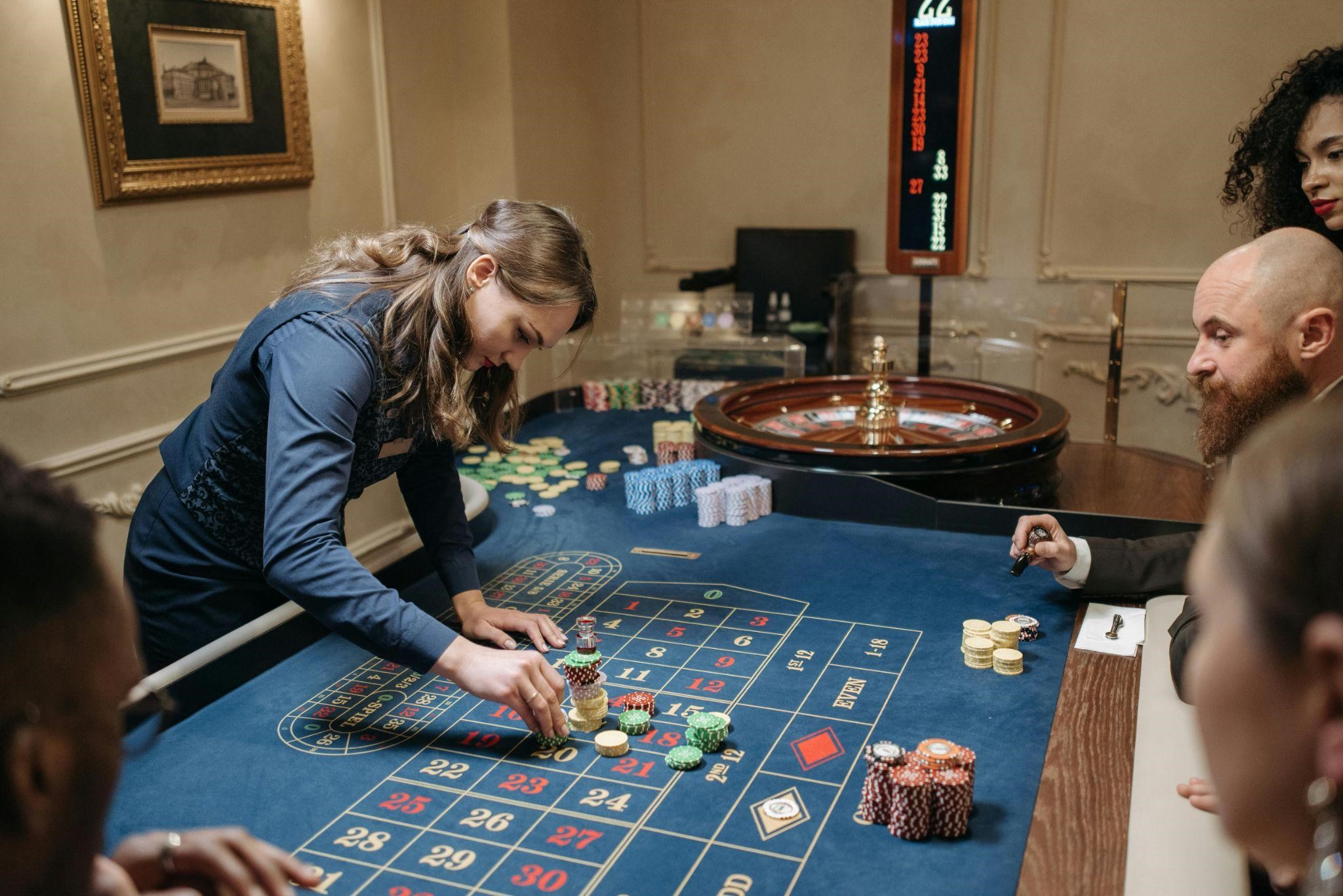
Most people did not meet gambling in a bright casino hall. They met it at kitchen tables, in corner shops, or through a neighbor’s story about a lucky night. Scratch cards sat by the register next to gum. Office pools filled brackets during March. These small habits made betting feel harmless. It felt like part of adult life, no different from buying a coffee on the way to work. Over time, that sense of normalcy shaped how ordinary people judged risk.
The promise of control
Many players believed they could manage outcomes through effort. They tracked numbers, learned tables, and shared tips. In practice, control came from routine, not results. A factory worker in Ohio kept a notebook of horse picks for years. He felt prepared, even confident, because the routine gave structure. Wins reinforced the belief. Losses felt like bad timing. The idea of control stayed intact.
Money as entertainment, then as hope
At first, money served as a ticket to pass time. Ten dollars bought an hour of distraction. Over time, the role of money shifted. For some, gambling became a way to fix a tight month. A waitress in Nevada used slots after double shifts. She did not chase luxury. She chased relief. When a small win covered groceries, it changed the meaning of the game. Entertainment turned into hope.
Social pressure and shared stories
Stories traveled faster than facts. A cousin’s jackpot spread through family chats. A coworker’s hot streak became office lore. Losses rarely earned the same airtime. People learned from what they heard most. They heard about wins. Shared stories created a quiet pressure to try again. Sitting out felt like missing a moment.
The middle years and habit formation
Habits settle in during the middle years of life. Work stabilizes. Responsibilities grow. Gambling found a place in that rhythm. Weekly poker nights replaced bowling leagues. Online betting filled late hours after kids slept. Around this point, many players entered a real money casino for the first time online or off, drawn by convenience and the promise of fair play. The habit felt manageable because it fit into existing routines.
Losses that changed behavior
Losses did not arrive all at once. They crept in. A missed mortgage payment. A credit card balance that lingered. People adjusted. They set limits, then bent them. They borrowed small amounts and paid them back. The line between discipline and denial blurred. Many assumed the next win would restore balance. That belief kept them engaged.
The role of technology
Phones changed access, not desire. Betting no longer required a drive or a dress code. It fit into lunch breaks and bus rides. Notifications nudged players to return. The games felt familiar, even friendly. Technology reduced friction, which increased frequency. Ordinary people did not feel reckless. They felt busy and connected.
Family reactions and quiet conflicts
Families noticed changes before players did. Time slipped. Mood shifted after losses. Arguments stayed small but frequent. A spouse asked for transparency. A parent warned about debt. These conversations rarely ended the habit. They reshaped it. People hid play, reduced stakes, or switched games. The conflict moved underground.
Turning points and exits
Most people who stopped did not quit after a big loss. They quit after a slow realization. The fun faded. The stress lingered. A teacher in Michigan stopped after noticing her hands shake during spins. A mechanic in Texas quit after a win that felt empty. Turning points came from feeling, not math. Exits looked different for each person. Some took breaks. Some sought help. Some replaced gambling with other routines.
What remained after the games
After quitting or cutting back, people talked about time. They regained evenings. They slept better. Money mattered, but time mattered more. Some kept fond memories of social nights and early wins. Others felt regret. Most held a mix of both. Gambling left a mark without defining their lives.
Lessons ordinary people carried forward
People learned limits through experience, not lectures. They learned that small bets add up. They learned that stories skew memory. They learned that control feels real even when outcomes vary. These lessons did not turn into slogans. They became quiet rules. Only gamble what you can lose. Walk away when the game stops feeling light. Pay attention to how it changes your day.
A grounded view of risk
Ordinary people did not approach gambling as a theory problem. They approached it as a social and emotional activity. Risk felt personal. It sat next to rent, pride, boredom, and hope. Over time, many adjusted their behavior to protect what mattered most. Gambling played out in ordinary lives as a series of choices, shaped by habit, story, and circumstance. It was neither pure vice nor simple fun. It was a human activity, lived in the margins of everyday life.